The Mimic Problem: Designing Wargames That Detect Adversaries Who Learn Your Playbook
 E. Sokolov
Most wargames assume the adversary plays from a fixed script. Red cell gets a doctrine packet, a set of capabilities, maybe a historical analogue. Blue cell gets its own doctrine. They collide. Someone wins on points.
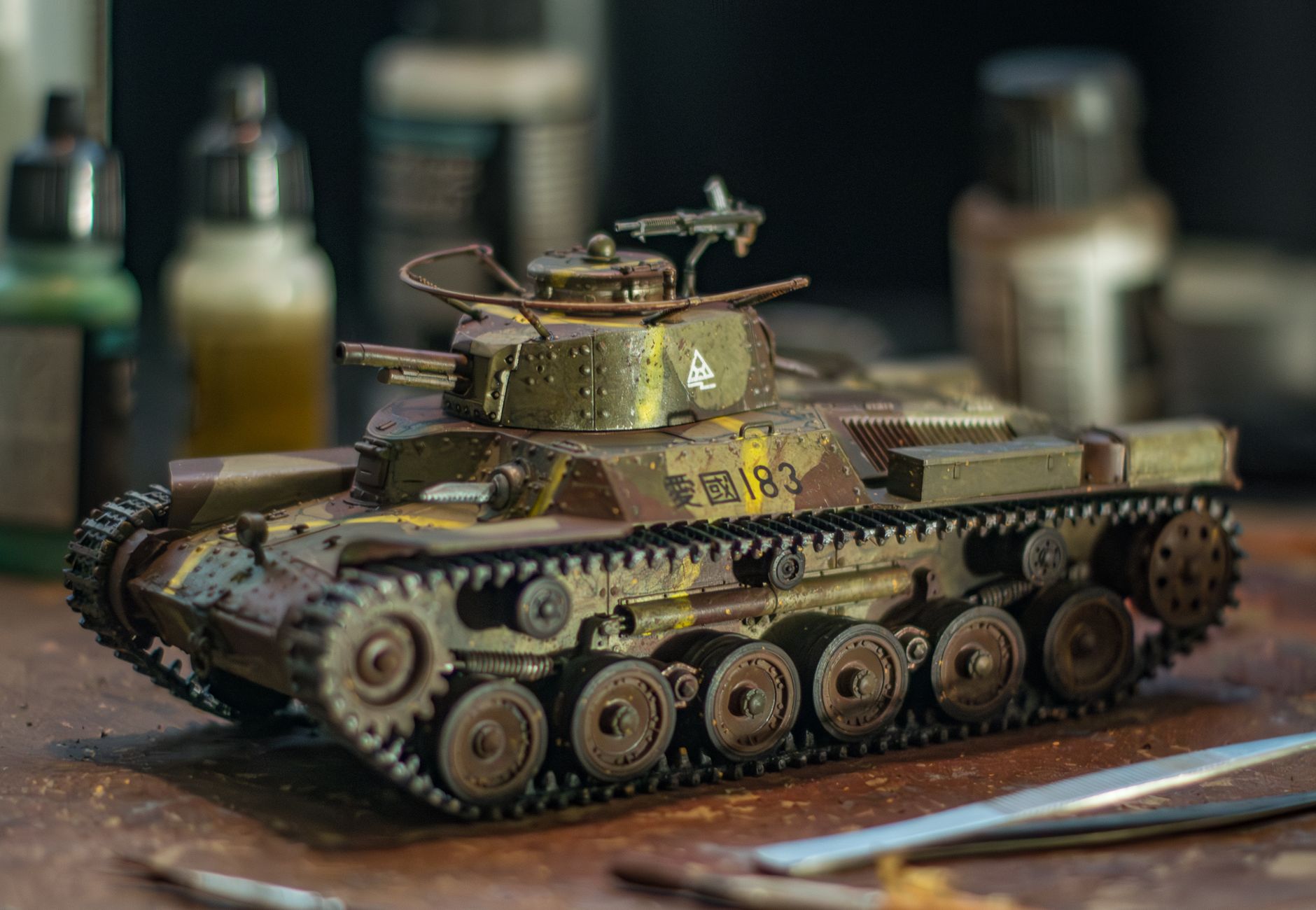 Photo by Matias Luge on Pexels.
That design works fine if your real-world adversary has never watched you train. Most of them have.
Call it the Mimic Problem: the adversary has spent years reading your field manuals, observing your exercises, and cataloguing your decision patterns. They know your OODA loop better than your own staff does. When you war-game a threat, you are not playing against a static opponent. You are playing against a student who has already taken your final exam.
This is not a hypothetical. In the lead-up to the 1973 Yom Kippur War, Egyptian planners studied Israeli air defense tactics from the 1967 conflict in meticulous detail and designed the opening SAM umbrella specifically to neutralize Israeli close air support, which had been decisive six years earlier. Israel war-gamed the threat; their games assumed an adversary playing a generic Soviet combined-arms model. The actual adversary had already run a counter-wargame against them. The gap between those two assumptions cost Israel badly in the opening days.
So how do you actually build a wargame that stress-tests mimic behavior?
Give Red Cell Your Own Doctrine Documents
The obvious first step, and the one most exercise designers skip. Before the game, hand the red team your organization's published doctrine, previous after-action reports, and any accessible training schedules. Tell them their job is to read Blue's playbook and exploit it specifically. Not to play a generic adversary. To play you, against yourself.
This produces uncomfortable games. It is supposed to.
If your red team can flip through your last three AARs and immediately identify the moment Blue will pause to consolidate, the moment a flank is habitually left light, the hour of the day when command authority is ambiguous during shift changes, you have just found a real vulnerability. The wargame did its job.
Build a Meta-Game Turn
Here is a specific design insert that works well in multi-day exercises. Add a structured turn before the main scenario begins: a "study phase" where Red Cell is given 30-45 minutes and a selection of Blue's historical game logs, doctrine slides, or training videos. Red Cell must then write a short targeting brief: which Blue behaviors do they plan to exploit, and when.
That brief gets locked away. After the exercise, compare it against what actually happened. How many of the predicted exploits materialized? How many did Blue detect? The delta is the thing worth analyzing.
graph TD
    A[/Red Cell Study Phase/] --> B{Targeting Brief}
    B --> C[Main Scenario Runs]
    C --> D[AAR: Predicted Exploits vs. Actual]
    D --> E((Doctrine Vulnerability Map))
The targeting brief is not just an exercise prop. It forces Red Cell to articulate why a pattern is exploitable, which is the analysis Blue leadership most needs to hear and most rarely gets.
Rotate the Doctrine Package
A single-game snapshot is not enough. Run the same scenario twice: once where Blue operates from current doctrine, once where Blue has made a visible doctrinal shift (announced at the start of the game). Does Red Cell's strategy adapt? Or does it keep executing the original targeting brief against a Blue that has already changed?
This tests adversarial flexibility, which is its own intelligence question. A sophisticated mimic will adjust. A less capable one will not. Knowing which type of adversary you face changes your real-world defensive calculus.
Inject the Honeypot
Speculation ahead, but this is worth testing: deliberately insert a false doctrinal pattern into your exercise materials before giving them to Red Cell. A predictable behavior Blue will visibly not follow during the game. If Red Cell plans around that pattern and exposes itself waiting for it, you have identified your adversary's intelligence source. In a real institutional context, this technique has obvious counterintelligence value beyond the wargame itself.
What This Surfaces
The Mimic Problem is not really about adversary sophistication. It is about doctrine calcification. Organizations that never change their patterns, never break their own habits in exercise, are training their adversaries for free. Every wargame that runs the same Blue playbook is a lesson plan for whoever is watching.
Build the game that watches you back.
Get Uncertainty Game in your inbox
New posts delivered directly. No spam.
No spam. Unsubscribe anytime.