Ghost Moves: Designing Wargames That Let Actors Defect From Their Own Doctrine
 E. Sokolov
Most wargames hand players a role card and a doctrine sheet, then score them on how faithfully they execute both. Blue force behaves like NATO. Red force behaves like the People's Liberation Army circa the last published threat assessment. The umpires reward doctrinal coherence. And then everyone wonders why the game didn't surface anything surprising.
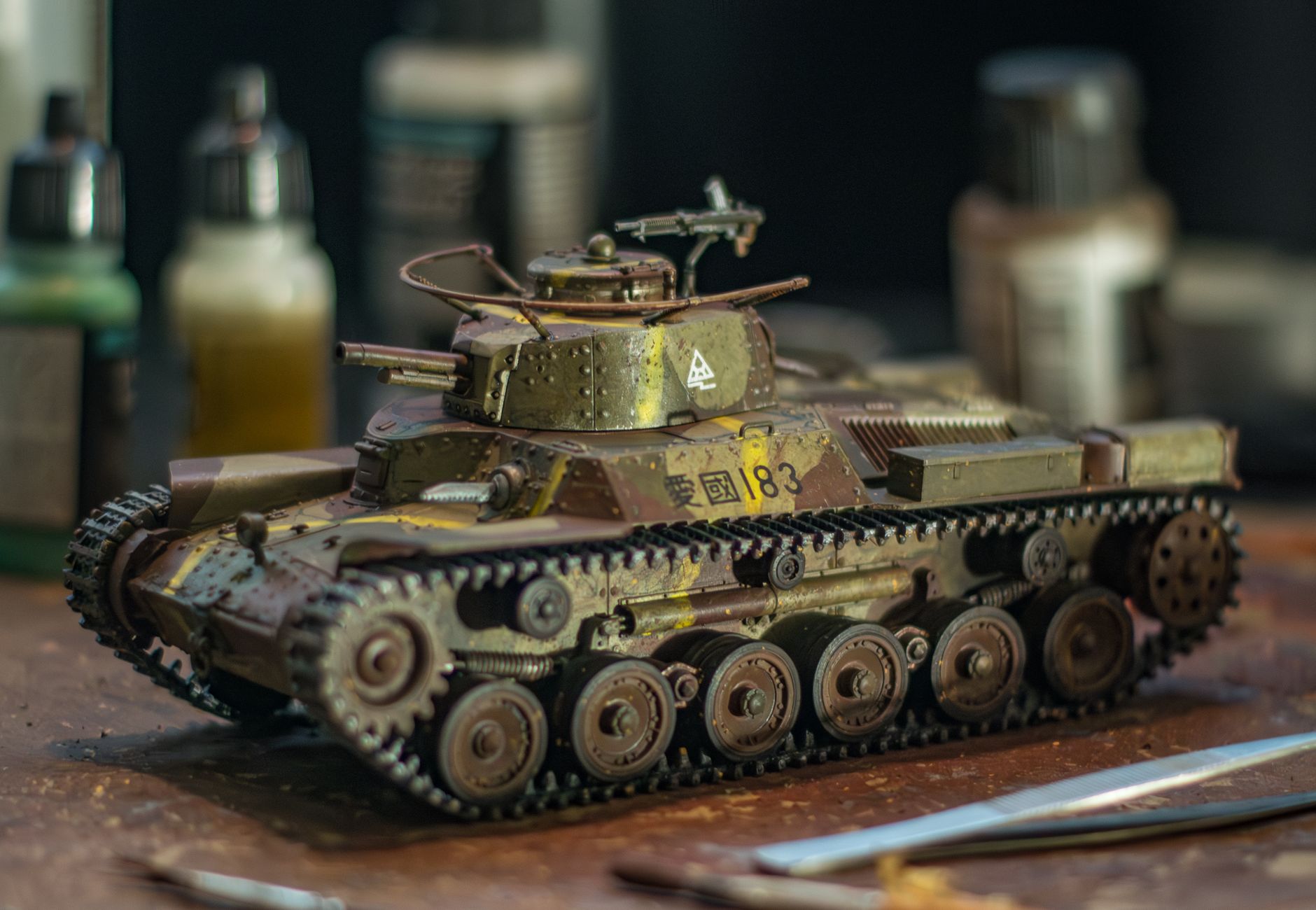 Photo by Matias Luge on Pexels.
The problem isn't realism. It's the assumption that actors follow their own doctrine, consistently, throughout the game, under pressure.
They don't. They never have.
In October 1973, Egyptian forces crossed the Suez Canal with near-textbook Soviet combined-arms doctrine. Then, on October 14th, Sadat ordered an armored thrust into the Sinai passes, abandoning the very air-defense umbrella that had made the crossing work. Israeli planners who had war-gamed Egyptian behavior based on doctrine were suddenly looking at a different war. The deviation wasn't random; it came from political pressure, coalition dynamics, and Sadat's need to relieve Syrian front stress. None of that shows up in a doctrine sheet.
So how do you design a wargame that can actually produce that moment?
Build Defection Triggers, Not Just Orders of Battle
The first move is structural: separate a player's preferred doctrine from the conditions under which they'd abandon it. Before the game runs, give each faction team a private trigger list, three to five conditions that, if met, unlock what I call a ghost move: an action explicitly outside their established playbook.
These triggers should be written by the design team, not the players. Players given self-authored triggers will write safe ones. Design-team triggers are blunter: Your capital is under domestic political threat. Your primary ally signals it is considering a separate ceasefire. Your campaign has succeeded faster than your logistics can sustain. Conditions that create real pull toward improvisation.
When a trigger fires, the faction team gets a sealed envelope, opened privately, away from umpires, describing one non-doctrinal option they may now choose. They don't have to take it. But the option exists, and the umpires don't know it was offered.
The Adjudication Problem
Here's where most designs fall apart. Umpires trained on doctrinal behavior will unconsciously penalize ghost moves. They see an Egyptian armored column driving beyond the missile umbrella and rule it as a mistake, not a decision. The move gets corrected back toward doctrine.
Fix this with a shadow adjudicator, a second umpire whose sole job is to adjudicate non-doctrinal moves without reference to what the faction should have done. This person asks only: given stated objectives, available resources, and current game state, is this move coherent? Not orthodox. Coherent.
The distinction matters enormously. Coherent-but-unorthodox moves are how real surprise gets generated. Orthodox moves are what gets gamed away in the opponent's planning cycle before the first shot.
graph TD
    A[Trigger Condition Met] --> B{Player Reviews Sealed Option}
    B --> C[Ghost Move Chosen]
    B --> D[Doctrinal Move Chosen]
    C --> E((Shadow Adjudicator Reviews))
    D --> F[Standard Adjudication]
    E --> G[Outcome Injected Into Game State]
    F --> G
The Debrief Is the Point
After-action reviews for these games need a specific question added to the standard list: At what moment did you realize the opposing faction had left their doctrine? And then: What would you have needed to see earlier to anticipate that?
This is the intelligence design problem hiding inside the wargame design problem. If ghost moves surface in the game and opposing players can't detect them until turn six, that's diagnostic. Your adversary's doctrinal deviation will be detectable, but only if someone is watching for indicators that aren't on the standard collection list.
The German crossing at Sedan in May 1940 produced dozens of early indicators that French and British intelligence did collect. The indicators just didn't fit the expected operational picture, so they were filed as noise. A wargame that lets Red defect from doctrine, and then asks Blue to explain what they saw and when, stress-tests exactly that failure mode.
Run the game. Open the envelopes. Watch who goes off-script and why. The doctrine sheet tells you what an actor trained to do. Ghost moves tell you what they might actually do when the situation stops matching their training.
That gap is where the black swans live.
Get Uncertainty Game in your inbox
New posts delivered directly. No spam.
No spam. Unsubscribe anytime.