The Umpire Dilemma: When Human Adjudicators Break Your Wargame
 E. Sokolov
Your red team just proposed something brilliant and terrifying. They want to weaponize container ships as kinetic interceptors against naval formations. The idea is wild, asymmetric, and historically unprecedented.
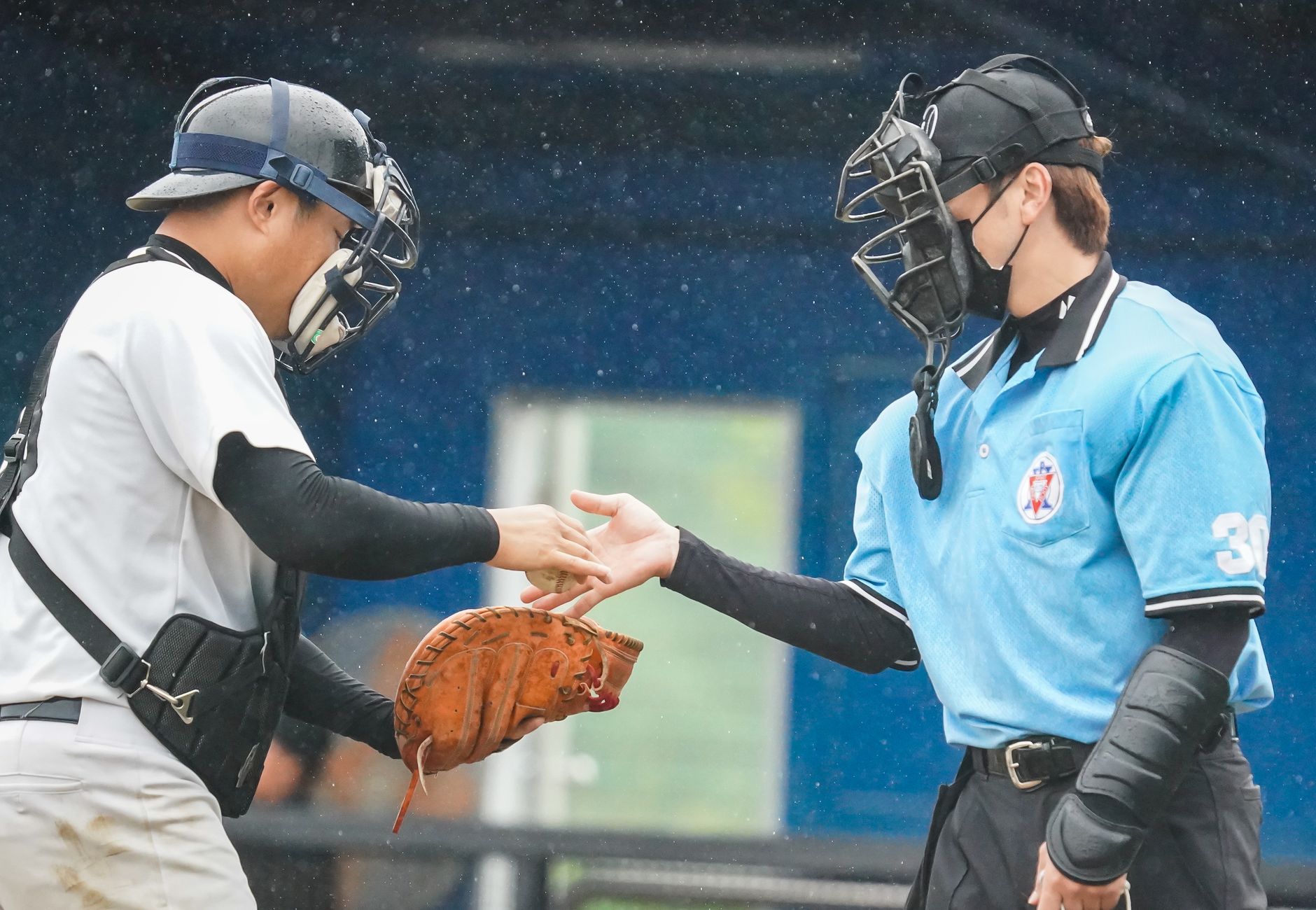 Photo by
 The umpire shoots it down in thirty seconds. "Unrealistic," they say. "Ships can't maneuver that precisely."
Your wargame just died. Not from bad players or flawed scenarios, but from the most overlooked failure point in simulation design: the human adjudication layer.
Why Umpires Kill Anomalies
Most wargame designers obsess over player incentives and scenario variables. They forget that every unconventional move gets filtered through an umpire's mental model of "what's possible." When that model is narrow, black swans get clipped before they can fly.
Consider the 1932 Pearl Harbor attack exercise, where umpires ruled Admiral Yarnell's carrier-based dawn raid "unrealistic" and declared it unsuccessful. Nine years later, Japanese forces used nearly identical tactics to devastating effect. The simulation worked perfectly; the adjudication failed catastrophically.
Umpire bias operates through three predictable patterns:
Precedent worship: If it hasn't happened before, it can't happen now. Revolutionary tactics get dismissed because they lack historical analogs.
Capability anchoring: Umpires anchor on known system specifications rather than creative applications. A container ship becomes "just a cargo vessel," not a potential 200,000-ton projectile.
Social pressure: When senior participants push back against unconventional moves, umpires often cave to authority rather than defend the simulation's integrity.
Designing Umpire Systems That Hunt Anomalies
Smart wargame designers don't just select good umpires, they build adjudication systems that actively resist bias.
Burden-of-proof inversion works well for tail events. Instead of forcing players to prove their unconventional move will work, require umpires to prove it definitely won't. This small shift opens space for genuinely novel approaches.
Red team the umpires during design phases. Run pre-mortems where you deliberately propose outlandish scenarios and watch how your adjudication team responds. Do they default to "no" or explore possibilities?
Compartmentalized judging prevents groupthink. When facing truly novel proposals, split your umpire team. Have different groups evaluate technical feasibility, strategic logic, and implementation challenges separately, then compare results.
graph TD
    A[Novel Player Action] --> B{Technical Feasibility}
    A --> C{Strategic Logic}
    A --> D{Implementation Barriers}
    B --> E[Umpire Synthesis]
    C --> E
    D --> E
    E --> F[Adjudication Decision]
Anomaly advocates serve as institutional devil's advocates. Designate specific umpires whose job is arguing for unconventional moves, even ones they personally doubt. This creates productive tension in adjudication discussions.
The RAND Corporation's Solution
RAND's 1970s strategic gaming division developed "assumed feasibility protocols" for exactly this problem. When players proposed genuinely novel approaches, umpires would assume basic feasibility and game out consequences rather than debating technical details.
This reversed the traditional dynamic. Instead of asking "could this really work?" they asked "if this worked, what would happen next?" The shift proved transformative for surfacing unconventional threats and opportunities.
Building Better Adjudication
Start with umpire selection. Look for people comfortable with uncertainty and intellectual humility. Former operators often make better umpires than pure analysts, they've seen enough real-world improvisation to respect unconventional approaches.
Document your adjudication logic obsessively. When umpires make calls, especially negative ones, require written justification. This creates accountability and helps identify bias patterns across multiple game iterations.
Test your umpire team's anomaly tolerance before running high-stakes simulations. Give them historical examples of successful unconventional tactics and see how they would have ruled in real-time. The 1940 Ardennes offensive, Doolittle's Tokyo raid, and Argentina's Exocet attacks all violated conventional military wisdom, would your umpires have allowed them?
Remember: your wargame's ability to surface black swans depends entirely on human adjudicators who may never have seen a black swan before. Design accordingly.
Get Uncertainty Game in your inbox
New posts delivered directly. No spam.
No spam. Unsubscribe anytime.