The Consensus Map: Designing Wargames That Expose What Players Agree On Without Knowing It
 E. Sokolov
Every wargame has a graveyard of decisions that never got made. Players debate route selection, escalation thresholds, force allocation. What they rarely debate are the assumptions underneath those choices: that the adversary is rational, that logistics will hold, that the political center will stay intact. Nobody argues about those things because nobody knows they're assuming them.
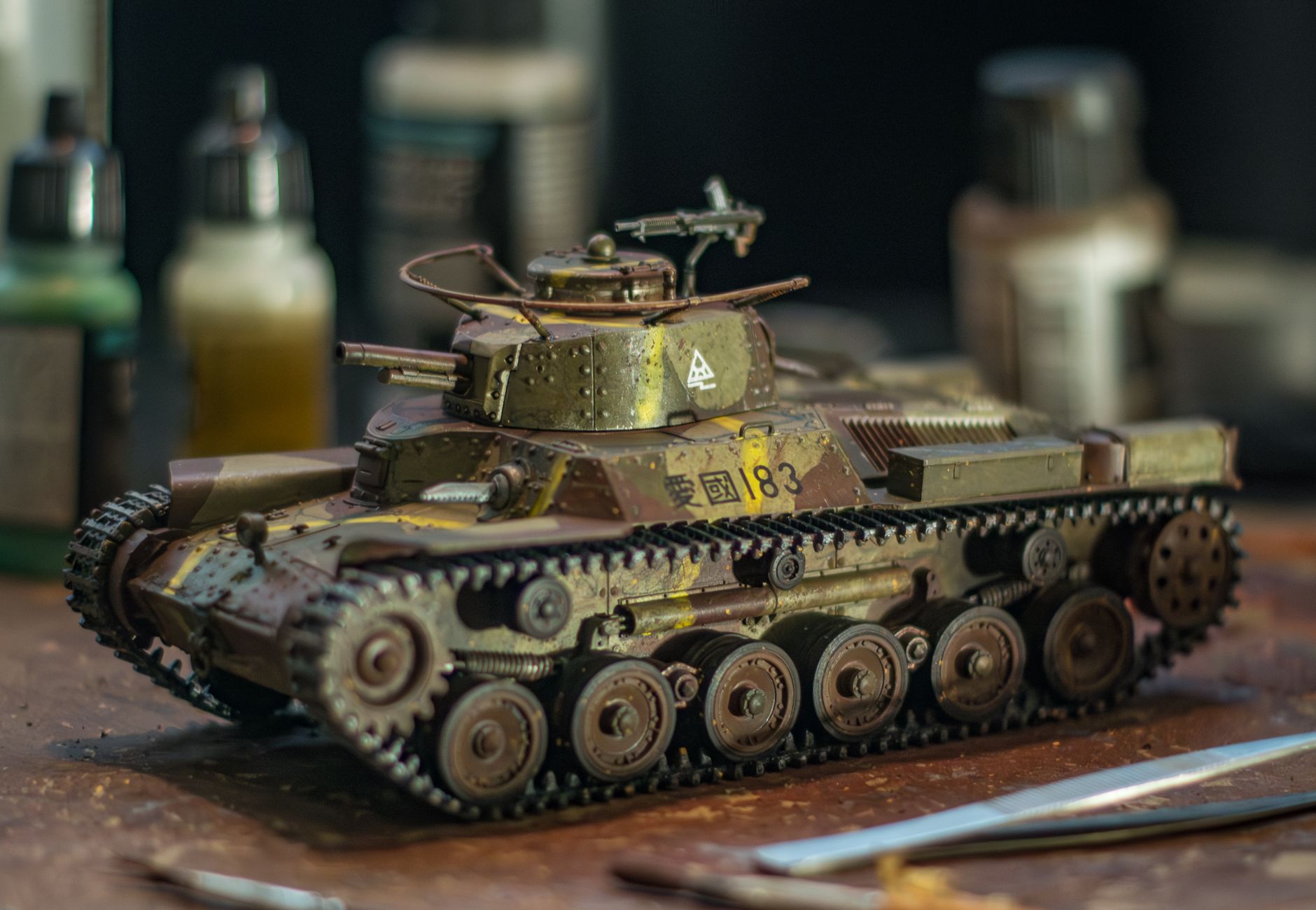 Photo by Matias Luge on Pexels.
Call this the consensus map problem. Players arrive at a wargame pre-aligned on a shared picture of how the world works, and the game never surfaces that alignment as a thing to examine. The scenario unfolds, decisions get made, and the post-game review attributes outcomes to choices, when the actual driver was a belief structure the room collectively held from minute one.
This is a design failure. And it's fixable.
Why Hidden Consensus Is Worse Than Open Disagreement
Open disagreement in a wargame is productive. When a player challenges an adjudication or pushes back on a Red Team move, you can track the reasoning. Hidden consensus is harder to see precisely because it feels like clarity. The room moves fast, decisions feel crisp, and facilitators read that as signal quality. Often it's the opposite.
The 1983 Able Archer exercise is a useful reference point here. NATO planners ran a nuclear release drill with high realism. Soviet intelligence, watching from outside, nearly read it as a genuine first strike. The gap between what NATO believed it was doing (routine exercise) and what Soviet analysts concluded was enormous. Inside the NATO command post, there was broad consensus about the exercise's meaning. That consensus was invisible to the people holding it.
You can't fully prevent this. But you can design for it.
Three Design Moves That Surface Hidden Agreement
Pre-play belief elicitation. Before the scenario starts, give each player a short written prompt: "List five things you expect to be true about the operating environment by turn three." Collect the responses without sharing them. Run the game. In the debrief, read the responses aloud and ask how many held. The goal is to make the baseline visible before the scenario contaminates recall. Players are notoriously bad at remembering what they believed before an outcome clarified things; written elicitation sidesteps that.
Forced dissent roles. Assign one player per team the explicit job of challenging any consensus that forms within sixty seconds. This sounds clunky. It is, at first. The value shows up around turn two or three, when a team is about to ratify a course of action and the dissent player surfaces a question nobody had asked. Whether the dissent is right is beside the point. The question itself is the product.
Bifurcated adjudication on contested assumptions. When an adjudicator is resolving an outcome, identify which assumptions the resolution depends on and run two adjudications: one where the assumption holds, one where it doesn't. Branch the scenario. Let both timelines run for a turn or two before collapsing back. Players experience what it feels like when the ground shifts, and facilitators can watch which branch produces more interesting (and more alarming) decisions.
Here's how the bifurcated adjudication process looks in practice:
graph TD
    A[Contested Assumption Identified] --> B{Adjudicator Decision Point}
    B --> C[/Branch A: Assumption Holds/]
    B --> D[/Branch B: Assumption Fails/]
    C --> E[Run 1-2 Turns]
    D --> E
    E --> F[Compare Player Decisions Across Branches]
    F --> G[Collapse to Single Timeline or Flag Divergence]
The diagram keeps the flow legible, but the real value is in step F. When players make radically different decisions across branches that share identical surface conditions, you've found a load-bearing assumption worth stress-testing in a full scenario of its own.
What You're Actually Looking For
The tell that hidden consensus has formed is speed. When a team moves through a decision point in under two minutes without visible friction, flag it. That's not efficiency; that's alignment you haven't interrogated yet.
Some of that alignment is fine. Experienced teams should agree on some things quickly. But a well-designed consensus map exercise will reliably find two or three places per scenario where the speed was hiding a shared assumption that the adversary, or the environment, or simple bad luck, would have destroyed immediately.
Surface those. Write them down. Run them again next time with the assumption removed.
That's the actual product of a wargame: not the outcome, not the score, not who "won." The assumptions your players didn't know they shared until the game broke them.
Get Uncertainty Game in your inbox
New posts delivered directly. No spam.
No spam. Unsubscribe anytime.