The Understudy Scenario: Designing Wargames That Stress-Test Decision-Making When the Second-Tier Takes Over
 E. Sokolov
Most wargames are quietly optimistic about who shows up.
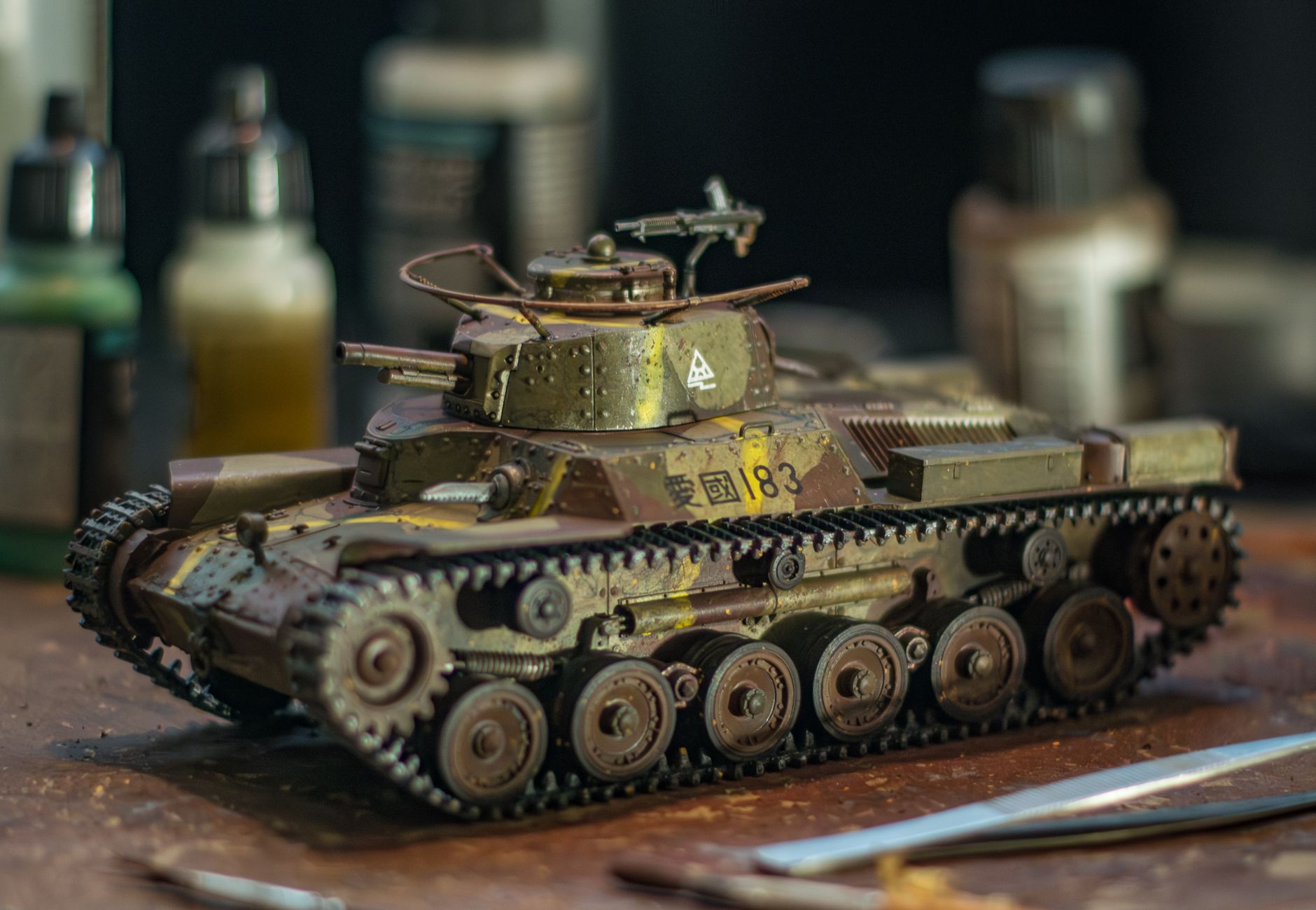 Photo by Matias Luge on Pexels.
They assume the people at the table are the people who trained for the table: the senior officer, the experienced analyst, the department head who sat through the last three iterations of the scenario. The exercise gets designed around that assumed competence. The injects are calibrated to challenge experts. The timeline assumes a certain decision tempo.
Then reality arrives. The principal is testifying. The deputy is on leave. The third-most-senior person in the room has been in the role for four months and has never run a crisis action sequence before.
This is not an edge case. It is how most actual crises are staffed.
The 1983 Able Archer NATO exercise is instructive here, though not for the reason it usually gets cited. Yes, the Soviets nearly misread it as a real attack. But look at the internal NATO staffing: the exercise ran with a mix of read-in senior officials and operational deputies who were, in many cases, genuinely unclear about the boundaries of their own authority. The scenario stress-tested doctrine. It did not deliberately stress-test the decision competence of the people executing that doctrine. Those are different problems.
Designing an understudy scenario means deliberately staffing the exercise wrong.
Not chaotically wrong. Specifically wrong. You replace one or two key roles with players who hold those positions in real life but have never had to execute under that kind of time pressure. You give them the same briefing materials the principal would receive. You do not slow the tempo to accommodate their learning curve. You watch what breaks.
What breaks, almost universally, is escalation authority.
Understudies do not escalate laterally. They escalate upward, even when the principal is notionally unavailable. The inject says the secretary is unreachable; the deputy still finds a way to delay action until someone senior validates the call. This is a rational individual behavior that produces catastrophic institutional behavior at scale. Everyone is waiting for someone above them to own the decision.
Here is a simple adjudication rule that surfaces this pattern fast: any action that requires escalation approval beyond the room costs 45 minutes of game time. Do not negotiate the number. Do not allow radio contact with off-site principals. Watch how quickly the scenario clock devours the decision window.
graph TD
    A[Inject Arrives] --> B{Understudy Has Authority?}
    B -- Yes --> C[Decision Made]
    B -- No --> D[Escalation Attempted]
    D --> E{Principal Reachable?}
    E -- No --> F[45-Min Delay Applied]
    F --> G{Window Still Open?}
    G -- Yes --> B
    G -- No --> H[Opportunity Foreclosed]
    E -- Yes --> C
The diagram looks clean. The actual game table looks like a hostage negotiation about who owns the red phone.
A few design specifics worth building in:
Staff the second chair deliberately. Do not just tell a junior player to pretend to be the principal. Slot the actual deputy director, the actual operations officer, the person who will genuinely hold this role on a Tuesday at 2 a.m. They need to feel the weight of a decision that is actually theirs to make.
Withhold the org chart. Give players a slightly out-of-date authority matrix. Real crises do not arrive with a clean RACI diagram. Understudies frequently do not know who else in the room can co-sign a decision. Manufacturing that ambiguity is not cruelty; it is accuracy.
Insert one planted overconfident player. Someone in the room who acts as though they have authority they do not actually possess. Watch whether the understudy defers to false confidence or pushes back. Deference to the loudest voice in a degraded command structure is a documented failure mode in everything from the 1979 Three Mile Island response to the 2003 Columbia Mission Management Team decisions.
Run the debrief before the principals return. This is the design move most facilitators skip. Before you bring the senior people back into the room to hear what happened, let the understudy cohort debrief among themselves. They will tell you what they actually thought their authority was. That gap between perceived authority and actual authority is the finding. Write it down.
The goal is not to embarrass the deputy. It is to find out, in a low-stakes environment, where the institutional logic breaks down when the first team is unavailable. Because the first team will be unavailable. That is the only thing you can guarantee about a real crisis.
Design for the understudies. They are the ones who will actually be there.
Get Uncertainty Game in your inbox
New posts delivered directly. No spam.
No spam. Unsubscribe anytime.