Building Cassandra Players: How to Design Wargame Roles That Predict Correctly But Get Ignored
 E. Sokolov
Every wargame needs someone who sees disaster coming and gets dismissed. The question is whether you design this role deliberately or let it emerge by accident.
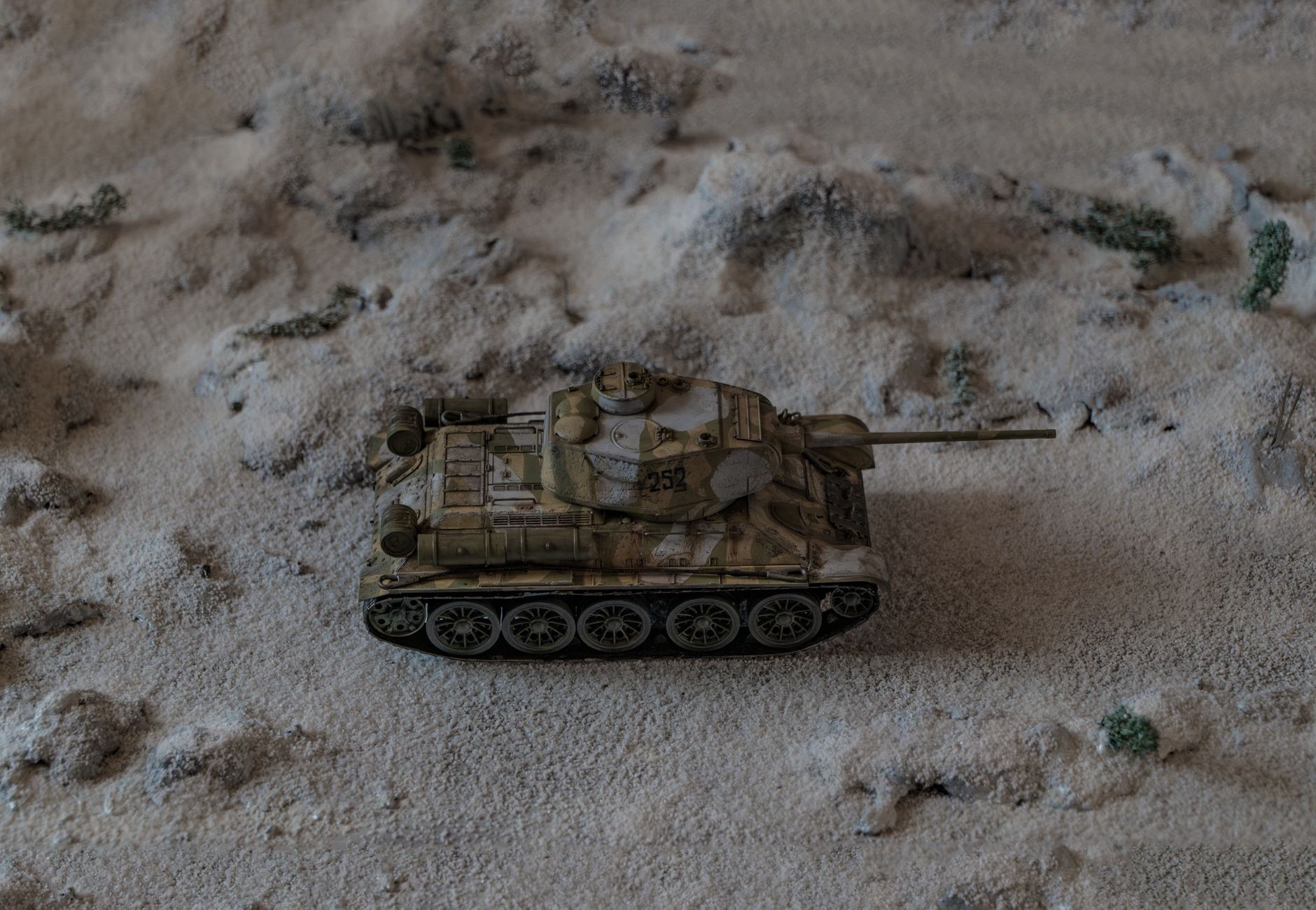 Photo by Matias Luge on Pexels.
Most simulation designers focus on modeling decision-makers: the generals, CEOs, and cabinet secretaries who hold formal authority. But real crises often unfold because someone with accurate information lacks the standing to be heard. The junior analyst who spots the pattern. The field operative with ground truth. The scientist whose model contradicts the consensus.
These are your Cassandra players, and they're arguably the most important roles in any exercise.
Why Standard Wargames Miss the Cassandra Effect
Traditional military wargames assign roles based on organizational charts. Red team gets the enemy commander, Blue team gets the friendly commander, and everyone else fills supporting positions. Clean hierarchy, clear communication paths.
This setup systematically eliminates one of the most common failure modes in real operations: accurate warnings that never reach decision-makers. The RAND Corporation's analysis of intelligence failures shows this pattern repeatedly, not missing information, but missing the transmission of information up the chain.
When everyone in your simulation has direct access to leadership, you're modeling an idealized world that doesn't exist.
The Mechanics of Institutional Dismissal
Here's how to build Cassandra dynamics into your next exercise:
Constrain communication channels. Don't let every player brief every other player. Junior roles should route warnings through intermediaries who may choose not to pass them along. Middle management becomes a filter, not just a relay.
Weight credibility differently than accuracy. Give your Cassandra player access to data that turns out to be correct, but assign them a role with low institutional standing. Recent hire, outside contractor, representative from a different agency. Their briefings should carry less formal weight regardless of content quality.
Create competing priorities for gatekeepers. The division chief who could elevate the warning should be juggling three other urgent issues. Force them to choose what gets executive attention. Most accurate doesn't always mean most urgent.
graph TD
    A[Cassandra Player] --> B[Department Head]
    B --> C{Competing Priorities}
    C --> D[Brief Executive]
    C --> E[Handle Crisis X]
    C --> F[Manage Resource Y]
    A --> G[Direct Warning Attempt]
    G --> H[Dismissed - No Standing]
Build in confirmation bias. Give leadership players incentives to prefer information that supports existing plans. The Cassandra's warning should contradict something the organization has already committed resources to pursue.
Historical Case: Able Archer 83 Lessons
NATO's Able Archer 83 exercise nearly triggered a real nuclear response from the Soviet Union, partly because lower-level Soviet intelligence officers correctly assessed the exercise as unusually realistic, but their warnings about potential NATO intentions were filtered through a command structure that had already decided the West was preparing for war.
When designing modern exercises, replicate this information flow problem. Let your Cassandra player spot the anomaly, but require them to convince skeptical superiors who have their own intelligence sources saying something different.
Practical Implementation
Start with role definitions that explicitly include credibility limitations. "You are a contractor analyst with 18 months on the account. Your previous warning about supply chain vulnerabilities was wrong. Your current access is limited to open-source intelligence and liaison reports."
Then give this player the one piece of information that, if believed and acted upon, would change the exercise outcome.
Don't telegraph this to other players. Let them discover through gameplay that the person they've been dismissing was right all along.
Running the Debrief
The real value emerges in post-exercise analysis. When players realize the warning signs were there but ignored, ask specific questions: What would have made the Cassandra more credible? Which gatekeepers had the authority to escalate but didn't? How does this mirror your organization's actual reporting chains?
Most exercises end with lessons about better intelligence or faster decision cycles. Cassandra-focused debriefs surface lessons about organizational listening, often the more important vulnerability.
Every simulation should stress-test not just your plans, but your ability to hear inconvenient truths from unexpected sources. Because in real crises, the person who saves you might be someone you weren't planning to listen to.
Get Uncertainty Game in your inbox
New posts delivered directly. No spam.
No spam. Unsubscribe anytime.